
What to Know About Half Day Kindergarten Programmes in Singapore
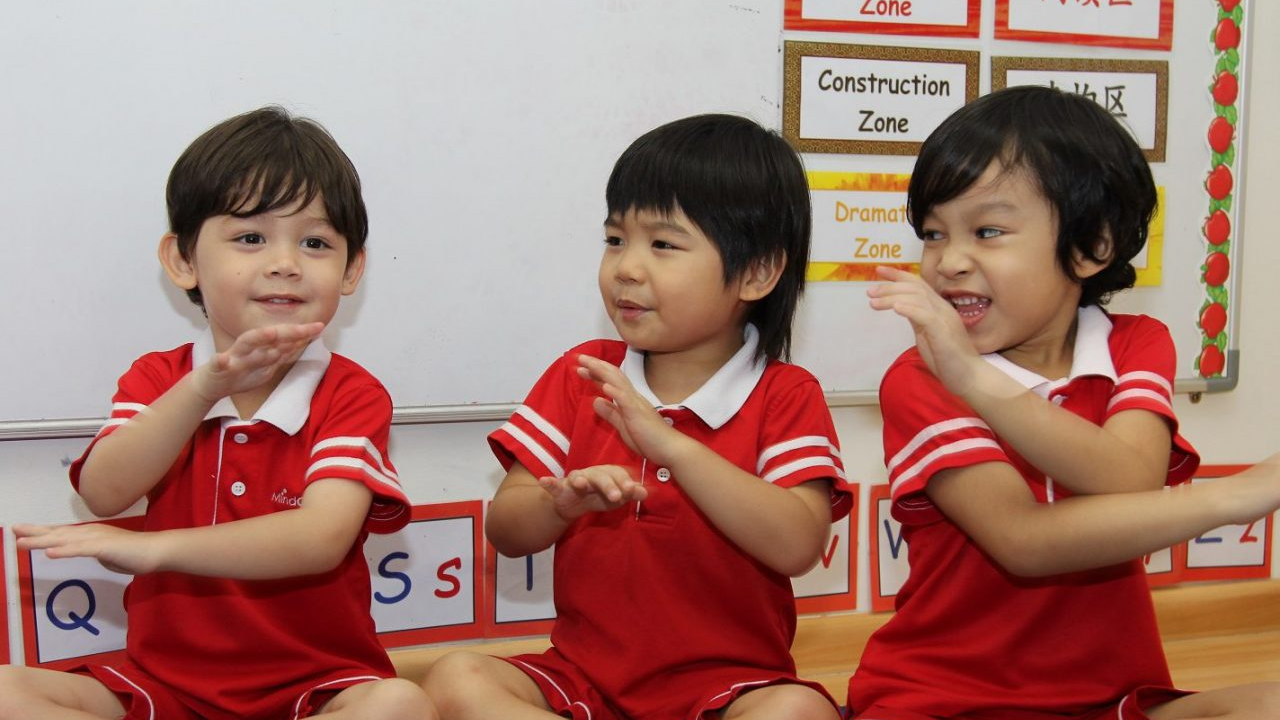
A half-day kindergarten programme in Singapore typically refers to a kindergarten class, most commonly K1 or K2 (the two years before Primary 1), usually running for around three to four hours each school day rather than a full day of care. This distinguishes it from full-day childcare, which can run from early morning to early evening and covers a much wider age range. A half-day kindergarten class, such as K1, generally suits a family with some additional coverage for the rest of the day, whether that is a parent at home, a grandparent, or a domestic helper, since the shorter hours are built around structured learning rather than full-day supervision.
Settling this practical question first makes comparing specific programmes easier, since the curriculum, the K1 class structure, and how a centre communicates with parents tend to shape day-to-day experience more than the exact length of the school day.
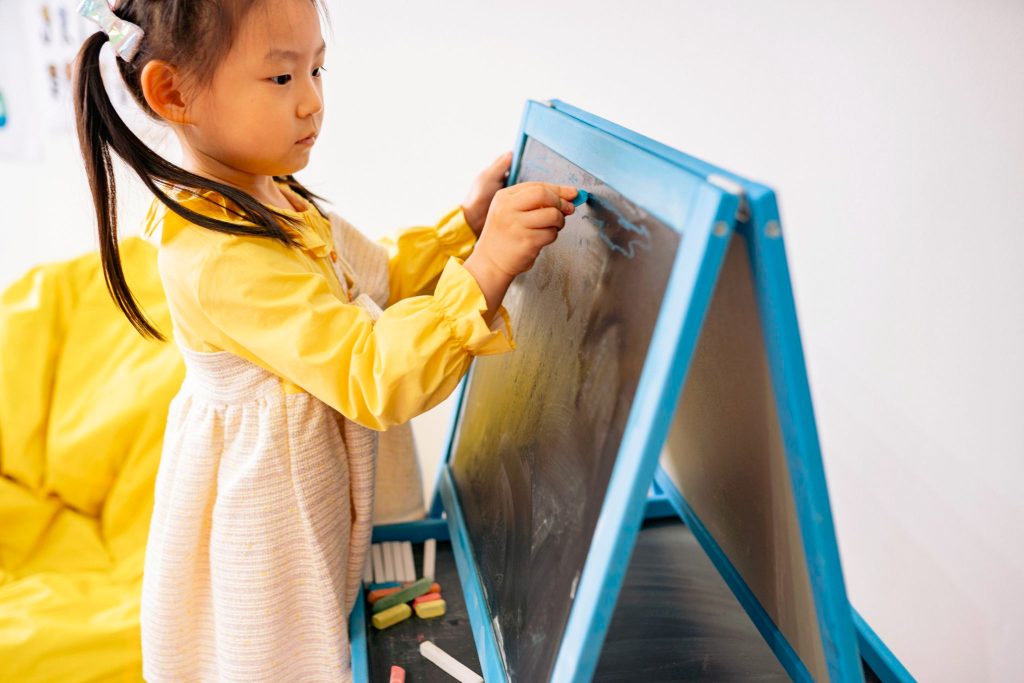
What Actually Makes a Kindergarten Programme “Half-Day”?
In Singapore, kindergarten is regulated by the Early Childhood Development Agency (ECDA), which sets a minimum staff-to-child ratio of one educator to twenty children for K1, rising to one educator to twenty-five for K2. K1 is for children who turn five in the year of enrolment, and K2 is for those who turn six. A kindergarten typically runs these levels as shorter, session-based days, while a childcare centre runs the same K1 and K2 levels within a full-day programme.
The shorter day is a scheduling model rather than a lighter version of kindergarten. K1 and K2 are the two years immediately before Primary 1, whether they run as Half Day Kindergarten sessions or as part of a full-day childcare programme; the main difference is the number of hours of care that surround the lessons. Similarly, Why Tacoma, WA Homeowners Trust Professional Garage Door Services for Reliable Repairs highlights the importance of reliable services in meeting homeowners’ everyday needs.
It is worth noting that not every provider uses “half-day” to mean exactly the same number of hours. Some kindergarten classes run closer to three hours, others closer to four, and some offer an extended half-day option with supervised activities added on either side of the core session. Confirming the actual daily schedule with a specific centre, rather than assuming a standard length, avoids a mismatch with a family’s own routine later on.
What Does a Kindergarten 1 Curriculum Typically Cover?
A K1 class generally marks a shift from the more exploratory pace of Nursery into more structured, activity-based lessons: building classroom habits such as sitting through a guided activity, early literacy and language exposure, and continued social and emotional development, often alongside bilingual components.
None of this is meant to replicate a primary school timetable. Half Day Kindergarten The pace is usually gradual, with plenty of guided play built into the day alongside the more structured segments, since a five-year-old still needs regular breaks and hands-on activity even in a more academically oriented class.
Is a Half-Day Kindergarten Class the Right Fit for a Family’s Schedule?
The clearest practical question is what happens for the rest of the day once a half-day session ends. Half Day Kindergarten Families with a parent working from home, a grandparent nearby, or another childcare arrangement in place often find a half-day K1 class works well, since it concentrates on structured learning without requiring a full-day commitment.
Families who need coverage for a full working day may find a full-day childcare centre a better fit. Half Day Kindergarten Many childcare centres in Singapore run K1 and K2 classes within a full-day schedule, so a child still follows a kindergarten curriculum without the family needing to arrange separate care for the afternoon.
It can also help to think about the transition between activities during a half-day session, rather than only the total number of hours. A K1 class that moves smoothly between a structured lesson, a short break, and guided play tends to feel very different from one where children sit for extended stretches with few breaks, even if the two classes run for the same number of hours overall.
Some parents worry that a half-day programme means less academic preparation than a full-day one. In practice, the length of the day says less about preparation than what actually happens during the hours a child is in class, so it is worth asking a specific centre what a typical K1 session includes, rather than assuming shorter hours automatically mean a lighter curriculum.
Comparing a specific K1 class to a family’s actual daily routine is often more useful than assuming that every kindergarten programme works the same way. My Little Campus operates kindergarten classes across Bedok Reservoir, Pasir Ris, Sembawang, and Yishun, and families in any of these areas are welcome to visit in person to see how a K1 class runs in practice.