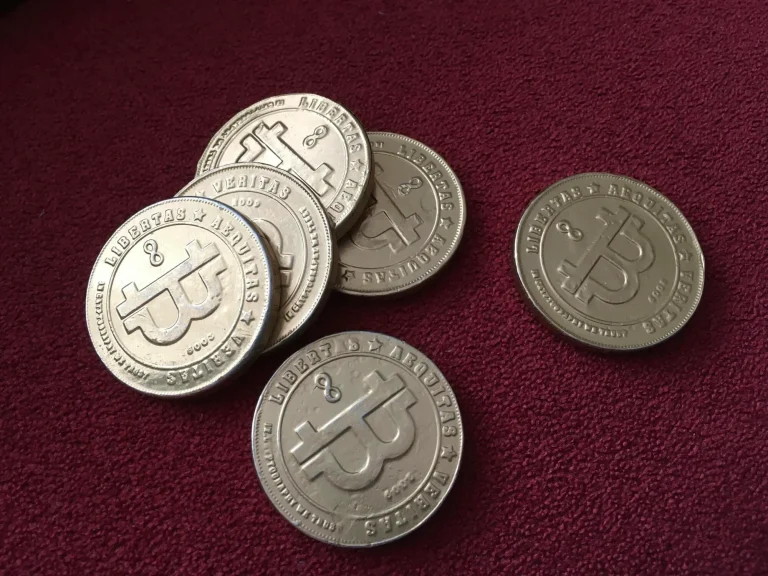
What to Know About 24K Gold Plating
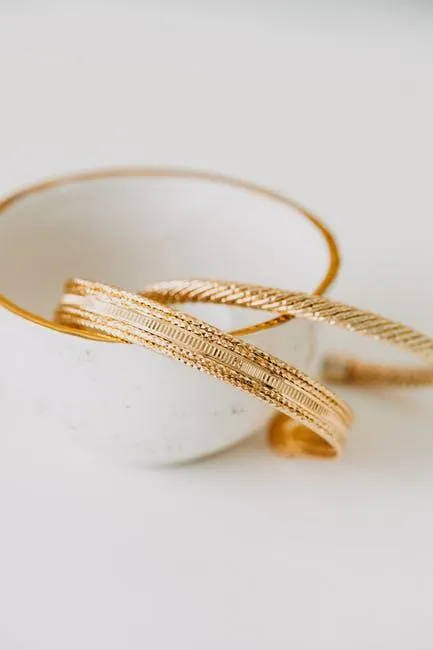
When it comes to adding a touch of luxury and elegance to various items, 24K gold plating stands out as the premier choice. Its shimmering finish not only enhances aesthetics but also protects the underlying materials. If you’ve ever wondered how 24K gold plating works and its wide range of applications, you’re in the right place.
This process involves covering an object with a thin layer of gold. This results in a remarkable appearance that is both visually appealing and durable.
Also Read: How Front Loader Systems Improve Waste Efficiency
In this article, we’ll learn how 24K gold plating works, its applications, and why it’s a popular choice for creating luxurious, long-lasting finishes.
Understanding 24K Gold Plating
24K gold plating refers to the application of a layer of pure gold to an object. This is typically made from a less expensive metal.
This form of plating is achieved through electroplating. It is a process where an electrical current is used to bond the gold particles to the item’s surface. The 24K designation indicates that the gold used is pure, containing no additional alloys that can sometimes detract from its luxurious appearance.
In essence, the electroplating process involves several steps. First, the item is cleaned to remove any surface contaminants.
Next, it is immersed in a gold plating solution and subjected to an electrical current. It is causing gold ions to deposit onto the object. The thickness of the gold layer can vary, usually around 0.5 to 2.5 microns for most applications, but thicker plating can be done for added durability.
Applications of 24K Gold Plating
24K gold plating is very useful and can be found in many different things.
It is often used in jewelry to give a shiny, rich look without being too expensive. In electronics, gold plating helps parts work better because gold is great at carrying electricity and doesn’t rust.
You can also see gold plating in home decorations like picture frames and sculptures to make them look more fancy. In the automotive industry, some luxury cars have gold-plated parts to show style and class.
Gold plating is also used in watches, buildings, and other items to make them both beautiful and useful. It’s a great way to add a touch of gold without using solid gold.
Why Choose 24K Gold Plating?
24K gold plating is popular because it looks great and is also useful. It has a bright, shiny color that makes things look fancy and special. Gold doesn’t rust or tarnish, so items with gold plating can last a long time.
It also costs less than solid gold, but still gives you that rich, golden look.
Even though 24K gold plating can be softer and scratch more easily, taking good care of it can help it last longer. For many people, the good things about gold plating are worth it!
Care and Maintenance of 24K Gold Plated Items
To keep your 24K gold-plated items looking shiny and new, it’s important to take good care of them. Use mild soap and water to clean them. Don’t use strong or harsh cleaners.
When you’re not wearing them, store them in a soft cloth or in a special box so they don’t get scratched. Also, try not to wear gold-plated jewelry during sports or swimming, because that can cause damage over time.
If you follow these easy steps, your gold-plated items can stay beautiful for many years!
The Environmental Impact of 24K Gold Plating
As the world becomes more environmentally conscious, it’s essential to consider the ecological impact of our choices. It includes those related to 24K gold plating. Traditionally, gold mining is a naturally destructive process, but electroplating can potentially offer a more sustainable avenue.
Recycling gold from electronic waste is becoming an increasingly popular method of sourcing the metal used in 24K gold plating. This not only mitigates the environmental impact associated with mining but also reduces waste in landfills.
Manufacturers are increasingly adopting eco-friendly practices. This ensures that the production of gold-plated items has a smaller carbon footprint.
Innovations in Gold Plating Techniques
The advancements in technology have led to significant innovations in gold plating techniques. This includes improved electroplating methods that enhance the durability and quality of the plating.
One notable technique is the use of spray chrome. This allows for an even coating and reduces the chances of imperfections often found in traditional plating methods. This innovation not only achieves a more refined finish but also decreases the amount of gold required per item. It promotes sustainability in the production process.
The Market for 24K Gold Plated Products
The market for 24K gold-plated products is thriving. This is driven by consumer demand for affordable luxury. While the jewelry sector remains the leader, other industries are also experiencing growth.
Consumers are increasingly inclined to purchase gold-plated electronics and home decor. This reflects a broader trend towards luxury in everyday items.
Market research suggests that the global gold plating market is expected to grow steadily over the next decade, as consumers associate gold with quality and elegance. This trend indicates that 24K gold plating is likely not just a fleeting fashion but a long-term staple in various industries.
Challenges Influencing the 24K Gold Plating Industry
Despite its popularity, the 24K gold plating industry faces several challenges. One primary issue is the fluctuating price of gold. This can significantly impact production costs.
This leads to price adjustments for gold-plated items. It affects consumer access.
Additionally, competition from alternative materials and technologies, such as synthetic plating options, presents a challenge. As companies innovate to create cost-effective alternatives, the market must react to these developments to maintain relevance.
Embracing the Beauty and Durability of 24K Gold Plating
24K gold plating embodies luxury and lasting appeal, making it a popular choice for various applications. From jewelry to electronics, this process enhances both beauty and functionality while offering an economical alternative to solid gold. As the industry evolves with innovations and sustainability in mind, 24K gold plating will likely remain a prominent feature in the lives of those who appreciate elegance.
Ready to elevate your collection? Explore the many possibilities that 24K gold plating can bring into your life today!
For more informative tips, check out our blog posts.