
The Future of Logistics: Smart Platforms Driving Supply Chain Transformation
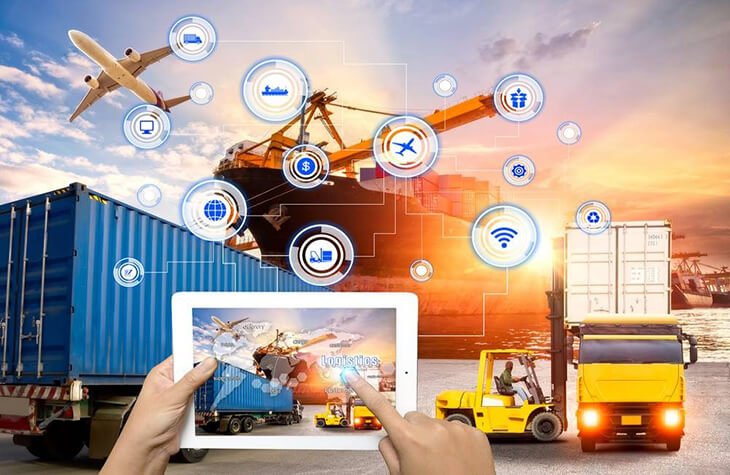
In today’s fast-paced economy, supply chains are under more pressure than ever to operate with efficiency, transparency, and resilience. Global disruptions, fluctuating consumer demands, and the rise of e-commerce have reshaped expectations for logistics. Businesses can no longer rely solely on traditional methods; instead, they must embrace smart platforms that leverage data, automation, and integration to remain competitive. The future of logistics lies in how effectively organizations adopt these digital solutions to transform supply chain management.
The Rise of Digital Supply Chains
The digital supply chain is no longer an abstract concept but a tangible reality. Companies are adopting technologies such as the Internet of Things (IoT), artificial intelligence (AI), and blockchain to gain real-time visibility into their operations. Sensors and connected devices track shipments at every stage, while AI systems predict potential delays and optimize delivery routes. By bringing together data from multiple sources, logistics managers can make more informed decisions and respond proactively to challenges.
This shift also supports a more customer-centric approach. With digital tracking and automated alerts, customers now expect precise delivery times and transparency throughout the process. Smart platforms help businesses meet these expectations, fostering greater trust and loyalty.
Automation and Efficiency
Automation is one of the driving forces behind modern logistics. Warehouse robots streamline picking and packing processes, while automated sorting systems accelerate distribution. In transportation, predictive analytics determine the most efficient shipping routes, cutting down both costs and delivery times.
Beyond cost savings, automation reduces human error. Manual data entry or outdated paper-based systems often lead to inaccuracies, lost shipments, and delays. Smart platforms eliminate many of these risks, ensuring smoother operations and stronger compliance with international trade regulations.
Integration as the Cornerstone
The real power of smart logistics platforms lies in their ability to integrate complex systems. Supply chains involve multiple stakeholders, from manufacturers and distributors to retailers and customers. Each of these parties relies on different technologies and processes, which historically created silos and inefficiencies.
By adopting integrated platforms, businesses can connect disparate systems into a single streamlined workflow. This enables seamless communication, faster data exchange, and real-time collaboration. Electronic Data Interchange (EDI) has long been a cornerstone of supply chain communication, and its modernization through cloud-based solutions is pushing the industry forward.
For example, businesses evaluating the top EDI providers often turn to platforms like Orderful, which simplify integration and help companies achieve supply chain connectivity with minimal technical friction. These solutions are redefining what’s possible by making complex integrations faster, more reliable, and more scalable.
Building Resilience for the Future
If the past few years have proven anything, it’s that supply chains must be resilient to withstand sudden shocks. Global events, from pandemics to geopolitical tensions, have exposed vulnerabilities in even the most established logistics networks. Smart platforms offer a pathway to resilience by providing predictive analytics, redundancy planning, and visibility across all stages of the supply chain.
For instance, predictive systems can analyze historical data alongside current trends to identify potential disruptions before they escalate. Businesses can then reroute shipments, adjust inventory, or secure alternative suppliers in advance. This level of preparedness ensures continuity even when external circumstances are volatile.
Sustainability Through Technology
Sustainability is also shaping the future of logistics. Consumers and regulators alike are demanding greener supply chains that reduce carbon emissions and minimize waste. Smart platforms support this goal by optimizing routes to lower fuel consumption, monitoring energy use in warehouses, and enabling more efficient inventory management.
Data-driven insights also allow businesses to identify inefficiencies that lead to unnecessary waste, such as overproduction or excess storage. By aligning operational goals with sustainability targets, companies can create value not only for themselves but also for society at large.
Conclusion
The future of logistics is digital, connected, and intelligent. Smart platforms are transforming every layer of the supply chain, from warehouse automation to predictive analytics and sustainable practices. By embracing integration and leveraging solutions that simplify data exchange, businesses are positioning themselves to thrive in an increasingly complex global environment.
As technology continues to evolve, companies that adopt these smart platforms will be better equipped to meet customer demands, manage risks, and build resilient, sustainable supply chains. The transformation is already underway, and the leaders of tomorrow are those embracing it today.