Ombudsmänner The Guardians of Fairness and Justice
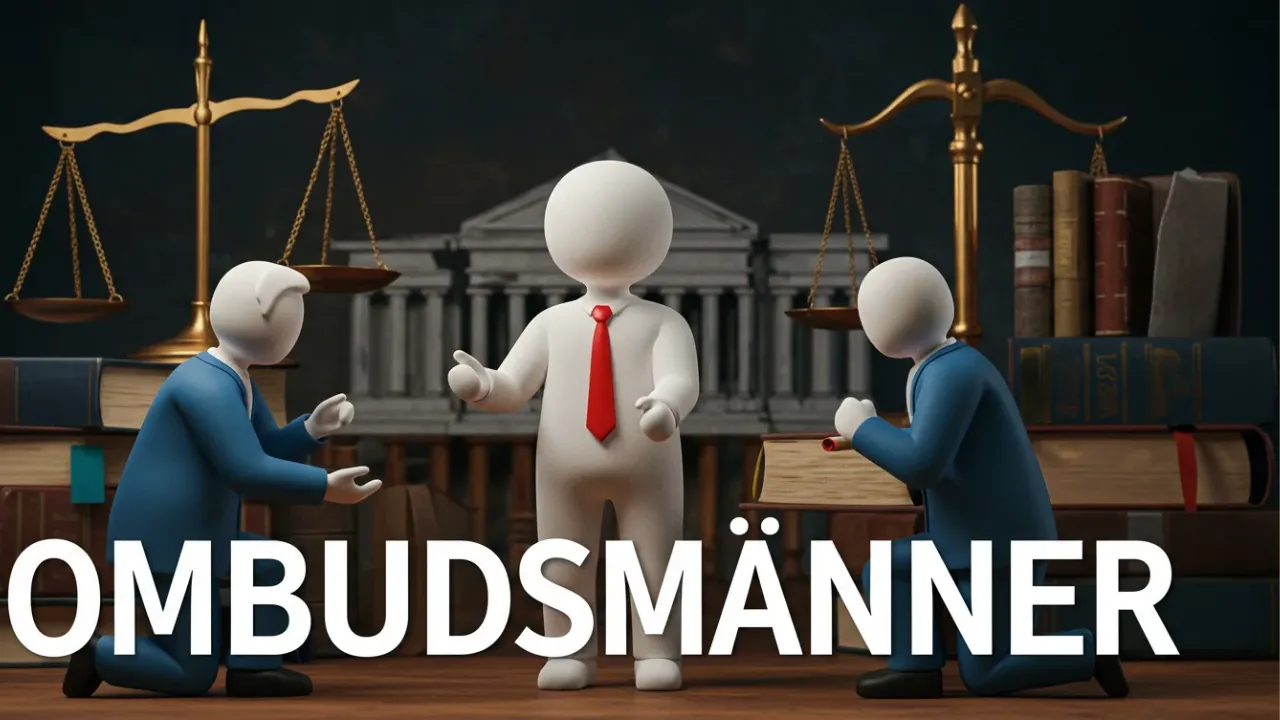
In every society, fairness and transparency are essential for trust between citizens and institutions. This is where ombudsmänner play a vital role. These officials ensure that individuals’ rights are respected and that public or private organizations remain accountable for their actions. Similar to what you find in Markiseteppe The Complete Guide to Outdoor Comfort, where protection and care are central themes, it provide a layer of comfort and security in governance and business ethics.
What Does the Term “Ombudsmänner” Mean?
The word ombudsmänner is the German plural form of ombudsmann, which translates to ombudsman in English. It comes from the Swedish word “ombudsman,” meaning representative or delegate. In modern usage, it refers to officials appointed to investigate complaints made by the public against government departments, corporations, or institutions.
In short, it act as protectors of fairness, ensuring that decisions made by powerful entities do not violate individual rights.
The Origin and Evolution of Ombudsmänner
The idea of the ombudsmann started in Sweden in the early 19th century. The Swedish Parliament created this role to supervise public administration and defend citizens’ rights. Over time, the model spread globally.
Countries like Germany, Norway, Canada, and New Zealand adopted similar systems. In Germany, the plural ombudsmänner refers to the several officials or departments working together in various sectors — from public administration to private corporations — ensuring transparency and justice.
| Country | Role Title | Key Focus Area |
|---|---|---|
| Sweden | Ombudsman | Government accountability |
| Germany | Ombudsmänner | Public and corporate fairness |
| UK | Parliamentary Ombudsman | Complaints against government |
| Canada | Ombudsperson | Citizens’ rights and equality |
| Australia | Industry Ombudsman | Consumer protection |
This table shows how it concept has adapted across nations while maintaining the same mission: to protect fairness and justice.
The Main Responsibilities of Ombudsmänner
The duties of it may differ based on their sector, but the foundation remains the same: they investigate complaints and promote fair conduct. They are neutral, independent, and act in the public interest.
They often:
- Investigate complaints against public institutions
- Suggest reforms or improvements in procedures
- Ensure transparency and ethical governance
- Provide reports and recommendations to authorities
For instance, if a citizen in Germany feels mistreated by a government department, they can file a complaint with an ombudsmann office. It will review the case, seek explanations, and suggest fair solutions.
How it Work in Germany
In Germany, it operate in several sectors, including public administration, finance, and insurance. Each branch has its own independent office.
Public Ombudsmänner
They handle citizen complaints about government behavior. Whether it is about tax decisions or local bureaucracy, they ensure fairness.
Financial Ombudsmänner
These focus on banking, insurance, and financial disputes. If a customer feels a bank has treated them unfairly, they can contact the financial ombudsmänner, who mediate to resolve the issue without going to court.
Corporate Ombudsmänner
Many companies now have their own ombudsmann departments to deal with employee grievances and ethical violations. They help maintain a transparent corporate culture.
| Type of Ombudsmänner | Main Role | Example |
|---|---|---|
| Public | Handle citizen-government issues | State Ombudsman Office |
| Financial | Resolve financial disputes | Banking Ombudsman |
| Corporate | Manage ethics and compliance | Company Ombudsman |
This system ensures that individuals, consumers, and employees have a voice when they feel unheard.
Why Ombudsmänner Are Important for Modern Society
The existence of it strengthens democracy and accountability. They act as a bridge between the public and the system. Without them, citizens might feel powerless against institutions.
Here’s why they matter:
- They protect citizens’ rights against misuse of power.
- They enhance transparency in government and businesses.
- They resolve conflicts without expensive legal battles.
- They improve trust between the public and organizations.
Much like Blazertje The Small Blazer Making a Big Style Statement, which stands out for its refined design and structure, it stand out as the structured force that keeps order, ethics, and trust in check within systems that affect everyone.
The Process of Filing a Complaint with Ombudsmänner
Filing a complaint with it is usually straightforward and free of charge. In Germany, the steps are designed to be simple and accessible to everyone.
- Submit a written complaint to the appropriate ombudsmann office.
- Include evidence or details of the issue you faced.
- The ombudsmänner review and investigate the matter independently.
- They contact the involved organization for clarification.
- Finally, they recommend solutions or corrective measures.
Their recommendations might not be legally binding, but most institutions follow them because they are based on fairness and ethical reasoning.
How Ombudsmänner Differ from Courts
A key distinction between ombudsmänner and courts is their approach and accessibility. Courts are formal, costly, and time-consuming. This, on the other hand, offer a simpler, faster, and less intimidating route.
| Feature | Ombudsmänner | Courts |
|---|---|---|
| Cost | Free | Expensive |
| Speed | Quick and efficient | Often slow |
| Formality | Informal process | Formal legal setting |
| Outcome | Recommendations | Binding verdict |
| Purpose | Fairness and resolution | Legal enforcement |
This flexibility makes it especially helpful for ordinary citizens seeking justice without the stress of litigation.
Key Sectors Where Ombudsmänner Operate
The influence of ombudsmänner extends across different sectors, from the public domain to private industries.
1. Government Sector
Here, they monitor administrative behavior and ensure policies are applied fairly. Citizens can file complaints about taxes, pensions, or local administration.
2. Financial Sector
They mediate disputes between banks, insurance companies, and customers, making sure financial institutions act responsibly.
3. Education Sector
Many universities have it who handle student complaints, academic fairness, and harassment issues.
4. Healthcare Sector
Medical it ensure that patients’ rights are respected, and that healthcare providers maintain ethical standards.
5. Corporate and Employment
In workplaces, it handle confidential reports of harassment, discrimination, or unethical practices.
The wide presence of it ensures fairness at every level of society, making them essential watchdogs in both the public and private world.
The Qualities That Make Ombudsmänner Effective
Being an ombudsmann requires more than just knowledge. Ombudsmänner must have a mix of skills, ethics, and empathy.
The most respected it share common traits:
- Integrity – They must remain unbiased and trustworthy.
- Confidentiality – They handle sensitive information securely.
- Empathy – They must understand people’s feelings and experiences.
- Analytical Skills – They analyze complaints deeply and fairly.
These qualities help ombudsmänner serve as neutral mediators and ensure justice in delicate cases.
Ombudsmänner in Corporate Governance
Modern corporations recognize that having it is not just ethical but also strategic.
Companies with such systems often report higher employee satisfaction and stronger brand trust.
For instance, many German businesses appoint internal it to handle anonymous employee reports about fraud or misconduct. These ombudsmänner investigate and provide feedback without fear of retaliation.
This system encourages transparency, accountability, and trust, which improves both internal culture and public image.
The Role of Ombudsmänner
As societies become more complex, the need for this grows stronger.
With rapid digitalization and corporate expansion, new forms of injustice and misinformation arise daily. It must now adapt to technology-driven complaints, such as online privacy violations or algorithmic bias.
Germany, for example, has started exploring digital ombudsmann platforms, allowing people to submit complaints online, ensuring faster and broader access to justice.
Future it will not just act as mediators but as data guardians, ensuring technology respects ethics and fairness.
How Ombudsmänner Contribute to Ethical Societies
The role of ombudsmänner goes beyond resolving complaints. They promote ethical behavior by setting examples of fairness and integrity. Their existence encourages organizations to act responsibly, knowing that independent oversight exists.
They also educate the public about their rights and the proper channels for justice. This awareness is a cornerstone of strong democratic values.
Conclusion
In closing, ombudsmänner stand as pillars of fairness, transparency, and trust in society. Their work bridges the gap between citizens and institutions, ensuring that justice is not just a legal concept but a lived experience. By handling complaints with independence and integrity, they make sure that every voice is heard and every injustice is addressed.
In Germany and across the world, it have become essential for protecting individual rights in an increasingly complex environment. Their presence encourages ethical behavior in government, corporations, and communities alike.