
Interventional Radiology: Future of Minimally Invasive Medicine
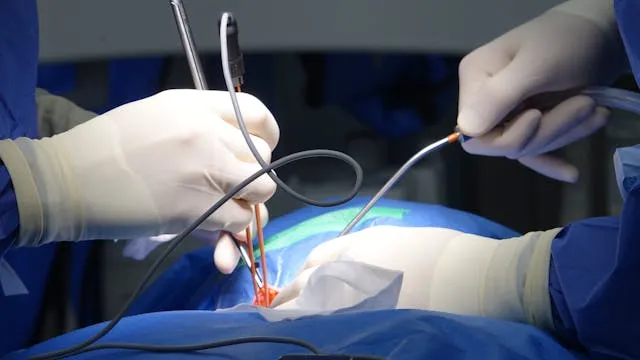
Interventional Radiology (IR) has revolutionized the medical world with its innovative, image-guided approach. Using advanced imaging technologies such as X-rays, CT scans, and MRI, specialists can diagnose and treat a wide range of conditions without traditional surgery.
Also Read: How Custom Pallets Enhance Safety in High-Tech Equipment Shipping
What Is Interventional Radiology?
Interventional radiology is a specialized field of medicine that uses minimally invasive techniques to diagnose and treat diseases. Unlike open surgery, these procedures are performed through small incisions, guided by medical imaging. Patients experience less pain, faster recovery, and fewer complications.
Common treatments include angioplasty, stent placement, embolization, and biopsies. IR combines precision and innovation, making it one of the most effective medical advancements of the modern era.
Role of Interventional Radiology Tech
An interventional radiology tech plays a crucial role in every IR procedure. These professionals operate imaging equipment, assist physicians, and ensure patient safety. They maintain sterile environments and monitor vital signs during treatments.
Interventional radiology techs also prepare patients for procedures, position them accurately, and ensure the images are clear for diagnosis. Their technical expertise and attention to detail help doctors perform successful interventions with precision.
To become an interventional radiology technologist, one must complete specialized education and certification programs. With rapid growth in this field, the demand for skilled IR techs continues to rise globally.
Common Interventional Radiology Procedures
There are numerous interventional radiology procedures designed to treat various medical conditions effectively. Here are some of the most common ones:
1. Angioplasty and Stent Placement
Used to open narrowed or blocked blood vessels, angioplasty restores proper blood flow. A small balloon is inserted and inflated, and sometimes a stent is placed to keep the artery open.
2. Embolization
This procedure blocks abnormal blood flow to a specific area, such as tumors or aneurysms. It is often used to stop internal bleeding or shrink tumors.
3. Image-Guided Biopsies
Doctors use imaging to guide needles to the exact area for tissue sampling. This technique provides accurate results with minimal discomfort.
4. Drainage Procedures
When fluid collects in organs or body cavities, IR specialists use catheters to drain it safely. This helps prevent infection and relieves discomfort.
5. Ablation Therapy
This method destroys cancerous or diseased tissue using heat, cold, or radiofrequency energy. It’s highly effective and offers a faster recovery time.
Benefits of Interventional Radiology
Patients benefit greatly from interventional radiology due to its less invasive nature. Here are key advantages:
- Minimal Scarring: Small incisions reduce visible scars.
- Lower Risk: Reduced infection and bleeding risk compared to surgery.
- Faster Recovery: Most patients return home the same day.
- High Precision: Imaging ensures targeted treatment.
- Less Pain: Reduced trauma leads to quicker healing and comfort.
These benefits make IR a preferred option for many patients and physicians worldwide.
The Future of Interventional Radiology
As technology advances, interventional radiology continues to evolve. Artificial intelligence and robotics are transforming how doctors perform image-guided procedures. New imaging systems provide sharper visuals, enhancing accuracy and outcomes.
The future promises even more efficient, patient-friendly, and safer treatment methods. From heart disease to cancer therapy, IR is paving the way toward a less invasive medical future.
Conclusion
Interventional radiology has become an essential part of modern healthcare. With the help of skilled interventional radiology techs and advanced interventional radiology procedures, patients receive precise, effective, and minimally invasive treatment.