
Black Ants in House Causes, Meaning & Complete Control Guide
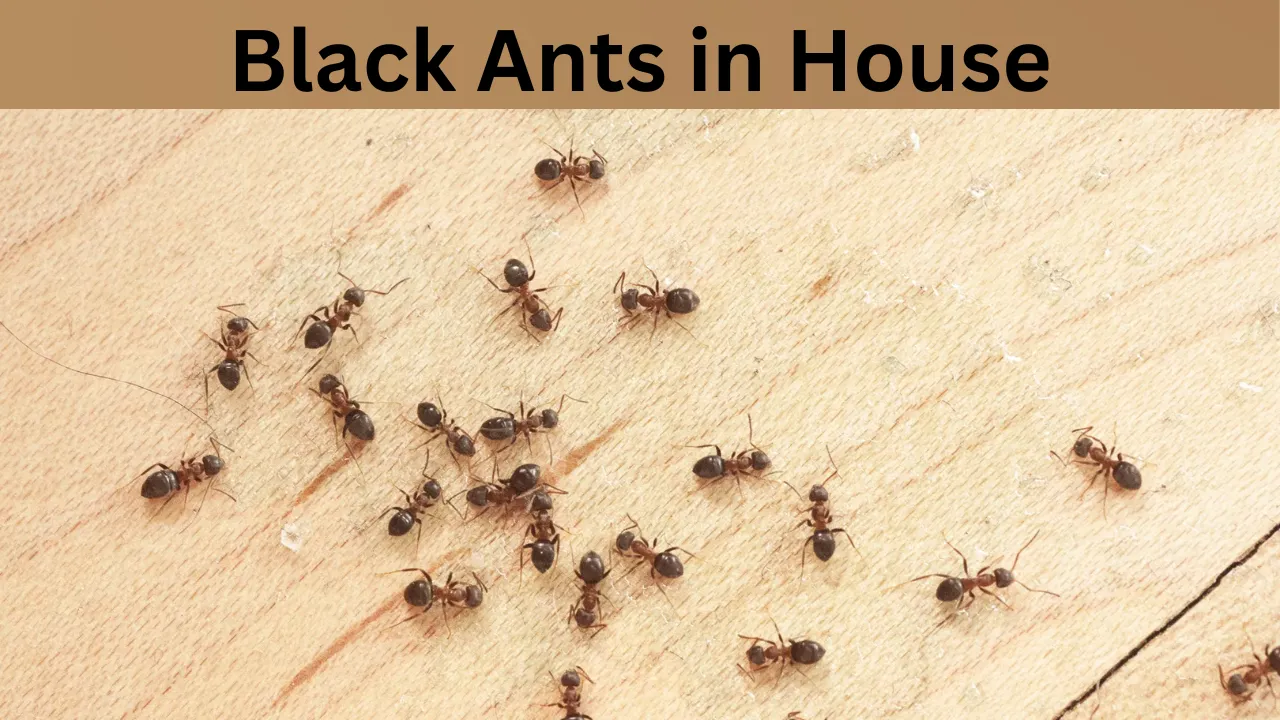
Life at home feels calm until tiny insects begin to appear near food or walls. Many people first notice this issue while searching for balance in daily living, much like Şeygo: A Path to Balance and Harmony, which reminds us that small problems deserve mindful solutions. Black ants in house situations are common across the world, and they signal environmental or food-related changes indoors.
Black ants usually enter homes quietly and grow in number within days. Their presence does not mean your home is dirty, but it shows that ants found something useful inside.
Understanding Why Ants Enter Homes
Ants follow scent trails that lead them to food, water, or shelter. Homes offer warmth and easy access, which attracts them quickly. Black ants in house problems increase during warm seasons when ants expand their colonies.
Small crumbs, sugar spills, or uncovered pet food provide enough nutrition. Moisture from sinks or leaking pipes also plays a major role in attracting them.
Common Types of Black Ants Found Indoors
Not all black ants are the same, and identifying them helps in control. Some species only search for food, while others may damage wood. Black ants in house sightings usually involve smaller species, not destructive ones.
| Ant Type | Size | Behavior | Risk Level |
|---|---|---|---|
| Odorous house ants | Very small | Follow sweet food trails | Low |
| Little black ants | Tiny and shiny | Enter kitchens often | Low |
| Carpenter ants | Large | Nest in damp wood | High |
Carpenter ants need attention because they weaken wooden structures over time.
What Black Ants in House Really Mean
Black ants in h ouse really mean that ants have found food, water, or shelter inside your home. Scout ants enter first and search for crumbs, moisture, or warmth. Once they succeed, they leave scent trails that invite more ants to follow. This behavior explains why ants often appear suddenly and in large numbers, even in well-kept homes.
Seasonal Connection With Ant Infestations
Ant infestations often increase with changes in weather and temperature, leading to black ants in house problems. Ant infestations often increase with changes in weather and temperature. During warm and rainy seasons, ants expand their colonies and search for new food sources indoors. In cold weather, ants move inside homes to find warmth and shelter. These seasonal shifts explain why ant activity suddenly rises at certain times of the year.
Are Black Ants Dangerous to Humans
Most black ants are not dangerous to humans and rarely bite or sting. They do not carry venom that can cause serious harm, and their bites usually feel mild. In most homes, black ants create discomfort rather than physical danger.
However, black ants in house can contaminate food and kitchen surfaces as they move around. They often crawl through garbage or dirty areas before reaching food, which can spread bacteria. This makes hygiene an important concern, especially in homes with children.
Some people may also feel stress or anxiety due to constant ant activity. While the health risk remains low, keeping ants under control helps maintain cleanliness and peace of mind.
How Ants Build Trails Inside Homes
Ants build trails using special scent chemicals called pheromones. When a scout ant finds food or water, it releases this scent while returning to the nest. Other ants follow the same path because they can detect the pheromone trail easily.
As more ants use the trail, the scent becomes stronger and more noticeable during black ants in house infestations. This process allows ants to move quickly between their nest and food sources. Cleaning surfaces removes these scent trails and helps stop ants from returning to the same spots.
Early Signs of an Ant Problem
Early signs of an ant problem usually begin with a few ants appearing near walls, sinks, or kitchen counters. These ants are often scout ants searching for food or water inside the home. Spotting them early helps prevent a larger infestation.
Another common sign is seeing ants follow the same path repeatedly during black ants in house infestations. You may notice them forming thin lines along edges or corners. Acting at this stage makes ant control easier and more effective.
Natural Reasons Homes Attract Ants
Homes naturally attract ants because they offer warmth, food, and water in one place. Even small crumbs, sugar spills, or uncovered food can draw ants inside quickly. Ants also search for moisture, which makes kitchens and bathrooms common entry points.
Stable indoor temperatures make homes safe during extreme weather and encourage black ants in house activity. Potted plants, damp soil, and leaky pipes further increase attraction. These natural conditions explain why ants often choose houses over outdoor spaces.
Simple Prevention Methods That Work
Simple prevention methods focus on removing what attracts ants in the first place. Cleaning kitchen surfaces regularly helps remove food smells and crumbs that ants follow. Storing food in sealed containers also reduces access to easy meals.
Sealing cracks and gaps around doors and windows blocks entry points for black ants in house. Fixing water leaks and keeping areas dry removes moisture that ants need. These small habits greatly reduce the chances of ants entering the home.
Natural Remedies for Ant Control
Natural remedies help control ants without using harsh chemicals. Vinegar mixed with water works well to erase scent trails that ants follow inside the home. Regular wiping of floors and counters reduces repeat visits.
Lemon juice and salt also act as natural repellents. Applying these remedies consistently around entry points helps keep black ants in house away. Natural methods work best when infestations are small and treated early.
When to Use Chemical Treatments
Chemical treatments become necessary when ants continue to return despite regular cleaning and natural remedies. Large or repeated infestations often indicate a hidden nest that natural methods cannot reach. In such cases, ant baits work better than sprays.
Baits allow ants to carry the treatment back to their colony, which helps eliminate the source. Sprays only kill visible ants and may not stop the problem long term. Using chemicals carefully ensures effective and lasting control.
Role of Professional Pest Control
Professional pest control becomes important when ant infestations grow large or keep returning. Experts correctly identify the ant species and locate hidden nests that are hard to find. This targeted approach leads to faster and more effective results.
Pest control professionals also use safe treatments designed for homes. They provide guidance on prevention steps to stop future infestations caused by black ants in house. This support helps maintain a clean and ant-free living space.
How Clean Kitchens Reduce Ant Visits
Clean kitchens reduce ant visits by removing food sources that attract them. Crumbs, spills, and uncovered food create strong scents that ants easily follow. Regular cleaning breaks these scent trails and makes it harder for ants to locate food.
Storing food in airtight containers further limits access. When trash is removed daily and surfaces stay clean, ants lose interest and stop returning.
Do Ants Damage Property
Most black ants do not damage property and focus only on finding food. They usually nest outside and enter homes temporarily. In these cases, the risk remains low.
Carpenter ants are an exception because they dig into damp wood. Over time, this behavior can weaken wooden structures if black ants in house infestations are not controlled.
Ant Control and Financial Planning
Ant control sometimes involves professional treatment, which can add unexpected costs. Planning ahead helps homeowners handle pest control expenses more easily. Preventive care reduces the need for costly emergency services.
Investing in early solutions saves money in the long term. Simple maintenance lowers the risk of repeated infestations. Services like MyFastBroker Loans Brokers: A Guide to Loan Assistance show how financial planning helps manage home care needs.
Conclusion
Ant problems may seem small at first, but black ants in house can grow quickly without attention. Understanding why ants enter homes helps in choosing the right prevention and control methods. Clean living spaces and moisture control reduce the chances of infestation.
Taking early action saves time, effort, and stress in the long run. With consistent habits and timely treatment, it becomes easy to maintain a comfortable and ant-free home.